
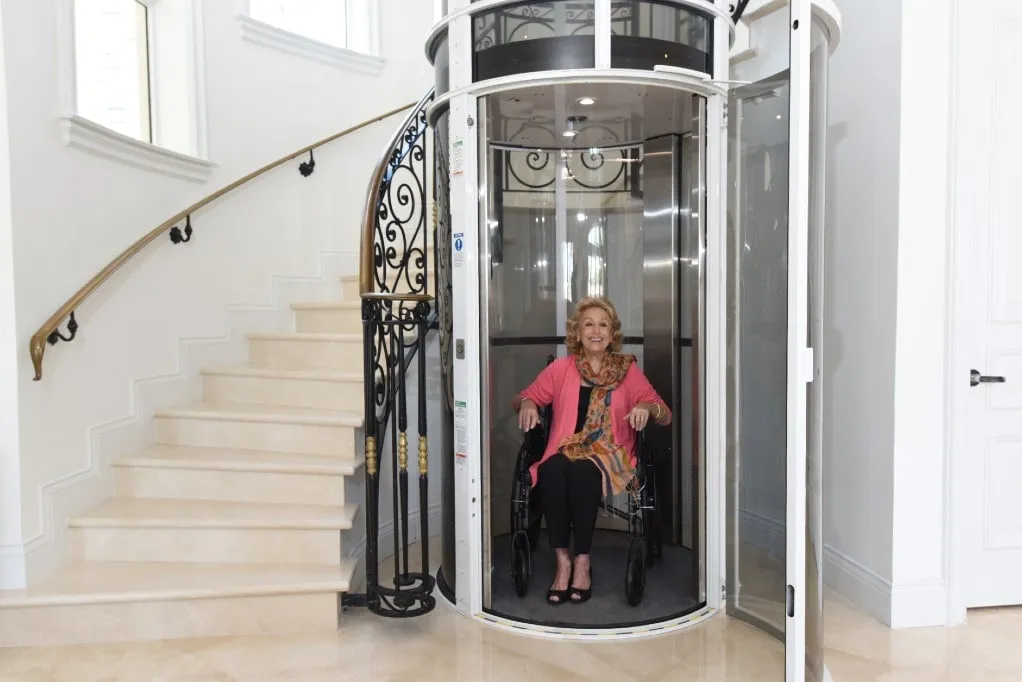
Introduction to Elevators in Liberia
In recent years, the elevator industry in Liberia has witnessed significant developments, primarily driven by urbanization and enhancements in building infrastructure. As cities expand and populations grow, the demand for reliable and efficient vertical transportation systems in both residential and commercial buildings has markedly increased.
Elevators play a crucial role in facilitating mobility, providing convenience for residents and visitors alike, particularly in high-rise structures. The ability to transport individuals between different floors without the exertion of climbing stairs alleviates accessibility issues, making buildings more inclusive for individuals with mobility impairments. Additionally, elevators contribute significantly to the overall functionality and design of modern buildings, improving property values and enhancing user experience.
The ongoing improvements in the elevator sector are also a response to the changing landscape of urban life in Liberia. As more skyscrapers and multi-story buildings emerge as focal points in city planning, the importance of high-quality elevators cannot be overstated. They serve not only to enhance the aesthetic appeal of these structures but also to ensure that they meet the rising expectations for safety and comfort.
Furthermore, advancements in technology are reshaping the features and capabilities of elevators available in Liberia. Manufacturers are increasingly focusing on energy-efficient models and modern designs that cater to the specific needs of urban dwellers. This shift not only reduces operational costs for building owners but also aligns with global sustainability efforts, demonstrating a commitment to creating environmentally friendly urban spaces.
Overall, the elevator industry in Liberia is at a pivotal point, with numerous opportunities for growth and advancement. As urban centers continue to evolve, the role of elevators will be critical in shaping the future of accessibility and operational efficiency in both residential and commercial settings.
Understanding Home Elevators
Home elevators, often referred to as residential elevators, are vertical transportation devices specifically designed for use within a private residence. These sophisticated systems provide a convenient and safe means of moving between different levels of a home, where traditional stairs might prove a challenge for some individuals. Home elevators can vary widely in terms of design, capacity, and technology but generally serve one primary function: to enhance accessibility throughout the home.
One of the most significant advantages of home elevators is their ability to enhance mobility for individuals with physical challenges or disabilities. For older adults, people recovering from injuries, or those with chronic health conditions, stairs can become a substantial barrier. Installing a home elevator can alleviate the difficulties associated with stair navigation, thus allowing residents to maintain independence and improve their quality of life.
In addition to enhancing accessibility, home elevators can also serve as an important feature for overall property value. In many cases, prospective homebuyers view the presence of an elevator as a luxury amenity that adds convenience and is particularly appealing to buyers in search of aging-in-place solutions. Furthermore, a well-designed elevator can complement the aesthetic of the home, blending seamlessly with the interior decor while also serving its practical purpose.
Moreover, home elevators can contribute to the architectural appeal of a residence. With a range of styles available—from sleek, modern designs to more traditional options—homeowners can choose an elevator that fits their design vision. Overall, home elevators represent a vital investment that promotes accessibility, convenience, and enhanced property value for homeowners in Liberia.
The Best Elevators in Liberia: What to Look For
When selecting an elevator for residential use in Liberia, several key features and specifications should be considered to ensure safety, efficiency, and reliability. One of the foremost factors is safety ratings. Elevated standards in safety ensure that the elevator operates smoothly and minimizes risks to users. Look for elevators that feature advanced safety mechanisms, such as emergency braking systems, redundant power supplies, and proper load sensors. These elements are crucial for providing a secure environment in a home or building.
Energy efficiency is another essential criterion that homeowners should prioritize. Modern elevators are designed with eco-friendly technologies, including energy-saving motors and control systems that optimize electricity consumption. An energy-efficient elevator not only reduces the overall carbon footprint but also contributes to lower utility bills over time. It's imperative to check the elevator's energy efficiency rating before making a purchase, as this will provide insight into its long-term operational costs.
Durability and construction quality should also play a significant role in the decision-making process. Elevators that are built with high-quality materials are more likely to withstand daily wear and tear. It is advisable to review warranties and understand the maintenance requirements of the elevator you are considering. Many leading brands offer comprehensive service packages that ensure the longevity of their products, so potential buyers should inquire about these options.
Furthermore, the right model must suit the specific needs of your home or building, such as space constraints and user requirements. Consulting with professionals in the industry can help identify the most suitable elevator systems tailored to your unique environment. Ultimately, investing in the best elevators in Liberia entails careful consideration of safety, efficiency, and durability, ensuring that your choice significantly enhances your living space.
Types of Residential Elevators
Residential elevators have gained popularity in Liberia, offering convenience and accessibility in multi-storied homes. Among the various types available, hydraulic lifts, pneumatic lifts, and traction lifts stand out, each with its distinct features, benefits, and drawbacks.
Hydraulic elevators operate using a hydraulic system that pushes a piston to lift the cab. One of their main advantages is the ability to accommodate heavier loads, making them particularly suitable for family homes where the transportation of groceries or furniture is frequent. However, hydraulic lifts typically require a machine room for the pump and can consume more energy over time due to their operational mechanics.
Pneumatic lifts, on the other hand, utilize air pressure to move the elevator cab up and down. Their design allows for a more compact installation, and they can be a stylish addition to modern homes. Additionally, pneumatic elevators are generally energy-efficient and have fewer mechanical components, which may lead to lower maintenance costs. Nevertheless, their capacity is usually smaller compared to hydraulic lifts, making them less suitable for larger households.
Lastly, traction lifts are powered by a system of cables and pulleys. They are efficient and can provide a smooth ride experience. Traction elevators are often regarded as a good choice for taller buildings, as they tend to be faster and can cover greater distances. The downside is that they may require more space for installation, which can be a limitation in densely populated areas of Liberia where space is at a premium.
Ultimately, choosing the right type of residential elevator in Liberia depends on factors such as the home’s layout, budget, and specific needs. Each option presents unique merits and challenges, influencing the decision-making process for homeowners.
Custom Elevators: Tailoring Solutions to Your Needs
Custom elevators offer a unique solution for homeowners looking to enhance accessibility and convenience in their residences. Unlike standard models, custom elevators are designed to meet the specific requirements of the individual homeowner, ensuring that every detail aligns with their personal aesthetic and functional needs. This level of customization can significantly improve the user experience and add value to the property.
One of the primary benefits of custom elevators is the flexibility in design options. Homeowners can choose from a wide range of materials, colors, and finishes to create a lift that complements their home’s interior. Whether opting for a sleek, modern design or a more traditional look, the choice is entirely in the hands of the owner. Additionally, homeowners can consider various shapes and sizes, ensuring that the elevator fits perfectly within their existing floor plans.
Advancements in technology have further enhanced the appeal of custom elevators by allowing for integration with smart home systems. Features such as remote control operation, real-time location tracking, and biometric security can be incorporated seamlessly, thus elevating the functionality of the elevator. Modern custom elevators often include energy-efficient systems that reduce operating costs while maintaining optimal performance, aligning with contemporary environmental standards.
Personalized features are another significant aspect of custom elevators. Homeowners can choose options such as customized lighting, interior decor, and even music systems to create a welcoming environment. The ability to adapt the elevator to suit specific needs, such as accommodating a wheelchair or other mobility aids, ensures that accessibility is prioritized. By tailoring these solutions, homeowners not only address practical concerns but also enhance the overall aesthetic and marketability of their property.
Installation Process: What to Expect
Installing a residential elevator involves several critical steps that must be followed to ensure a seamless and efficient process. The first step typically involves a thorough site assessment where professional installers evaluate the space available for the elevator. This assessment helps in determining the type of elevator that suits the residence and the best location for installation. Factors such as structural integrity, accessibility, and design preferences are taken into account during this assessment.
Once the site assessment is completed, obtaining the necessary permits becomes a priority. Homeowners need to check local regulations since building codes and requirements vary by location. Typically, this requires submitting plans and acquiring approvals from relevant authorities. Failing to secure the appropriate permits can lead to costly delays and complications, making this step vital in the overall installation process of home lifts.
The timeframe for the installation process can vary based on several factors, including the type of elevator being installed, the complexity of the project, and the accuracy of preliminary assessments. Generally, homeowners can expect the installation process to take anywhere from a few weeks to several months from the planning phase to completion. This duration includes the time taken to acquire permits, prepare the site, and carry out the actual installation.
Engaging professional services for the installation of residential elevators is essential. Experienced technicians not only ensure compliance with safety standards but also provide expertise in the intricate details involved in the installation. They can foresee potential challenges and offer solutions that may not be evident to those inexperienced in elevator installation. Therefore, investing in qualified professionals significantly enhances the likelihood of a successful installation, ensuring the longevity and reliability of your home lift.
Maintenance and Care for Home Elevators
Proper maintenance and care of home elevators are crucial for ensuring both safety and longevity. Residential elevators, like any mechanical system, require regular servicing to function optimally. It is essential to adhere to the manufacturer's guidelines regarding maintenance schedules and procedures.
One of the primary components of elevator maintenance is conducting routine safety inspections. These inspections should be performed by qualified technicians and include checks of electrical systems, mechanical components, and safety devices. Regular assessments help identify any potential issues before they escalate into more significant problems, thereby minimizing repair costs and enhancing user safety. Homeowners should also consider keeping detailed records of all inspections and maintenance activities for future reference.
In addition to professional inspections, homeowners should perform basic checks and maintenance tasks. For instance, ensuring that the elevator shaft is free of debris, lubricating moving parts as recommended by the manufacturer, and checking for any unusual noises during operation can help maintain performance. If any persistent issues are noticed, such as difficulty in door opening or unusual vibrations, it is advisable to address these concerns promptly to prevent further complications.
Furthermore, homeowners can contribute to the elevator's upkeep by educating themselves about common issues and their solutions. Understanding when to call a professional can save time and prevent inadequate maintenance practices that could lead to more serious problems. Regularly updating oneself with advanced service options or modifications is also beneficial, as technologies in home elevators evolve.
Ultimately, investing time in maintaining a home elevator will not only ensure safety but also enhance its lifespan, providing reliable service to residents for many years.
Cost Factors for Home Elevators in Liberia
When considering the installation of home elevators in Liberia, several cost factors significantly influence the overall investment. One of the primary considerations is the type of model chosen. Home elevators come in various styles, including hydraulic, traction, and pneumatic models, each with distinct advantages and price brackets. On average, the cost of a basic hydraulic elevator can range from $20,000 to $30,000, while traction models may be priced higher, typically ranging from $25,000 to $40,000.
Another critical aspect affecting the cost is the complexity of installation. The intricacies involved in fitting an elevator depend on the existing architecture of the home, including the number of floors, shaft construction, and necessary structural modifications. If a house does not have a pre-existing shaft for the elevator, it may require significant renovation, raising installation costs substantially. Homeowners should be prepared for installation expenses that can vary from $5,000 to $15,000, depending on the building's specifics.
Moreover, ongoing maintenance is an essential factor in the overall cost of home elevators. Regular servicing, repairs, and inspections are crucial for ensuring safety and functionality. Annual maintenance contracts can range from $300 to $600. Additionally, depending on usage and model, homeowners may face unexpected repair costs that could add thousands of dollars over time.
In summary, potential elevator owners in Liberia should evaluate these different cost factors carefully. By taking into account model types, installation complexity, and maintenance expenses, individuals can make informed decisions that suit their financial capabilities while enhancing their home's accessibility with a residential elevator.
Conclusion: Making the Right Choice for Your Home
In summary, selecting the right elevator for your home is a decision that encompasses various critical aspects, including safety, functionality, and aesthetic value. Throughout this guide, we have explored the best options available for residential elevators in Liberia, emphasizing their unique features and benefits. Safety is paramount when it comes to choosing a home lift; therefore, it is crucial to assess the safety features provided by different models. Look for elevators equipped with emergency brakes, backup power systems, and compliance with local safety regulations.
Functionality is another key point to consider. The ideal elevator should not only meet your current needs but also accommodate any future requirements. Think about the expected usage frequency and your household's specific configuration. Assess whether a traditional lift, a through-the-floor model, or a compact design would best suit your space. Additionally, consider the elevator's capacity, as it plays an essential role in how many users it can accommodate at once.
Aesthetics should also factor into your decision-making process. The elevator's design should harmonize with your home’s interior style, enhancing the overall atmosphere rather than detracting from it. There is a range of customization options available, from finishes to control panels, which can help in tailoring the look of the lift to ensure it aligns well with your personal taste and architectural design.
Ultimately, taking the time to evaluate these aspects carefully will lead to an informed decision, resulting in a choice that perfectly meets your needs while maintaining high standards of safety and design. An elevator is a significant investment, and ensuring it serves your household well for years is of the utmost importance.